
The Class 10 student who debates competitively, runs the school newsletter and plays chess at district level isn't sacrificing academic time — they're investing in the muscles that will define their adult success. Yet too many Indian families still treat co-curriculars as a distraction from "real studies".
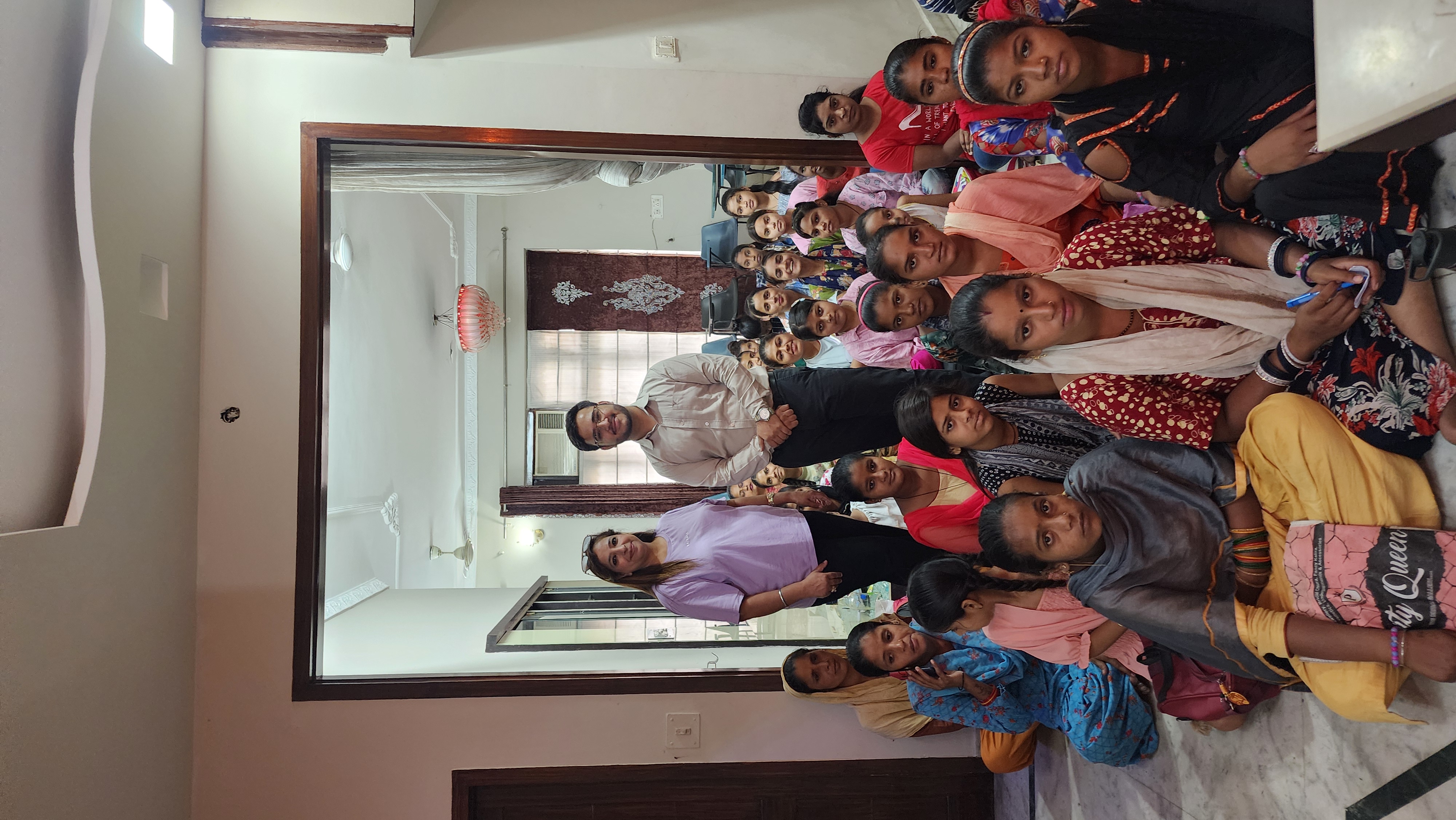
At Excellence Tuitions, Ludhiana, our Vision Batch and co-curricular emphasis isn't a marketing accessory — it's a deliberate philosophy. Here's why.
The data on co-curricular activities and career outcomes
Long-term studies — from Harvard's Project Implicit data to Indian IIM admission committee transparency reports — consistently show:
- Students with sustained co-curricular involvement (3+ years in one activity) show higher leadership-role attainment 10–15 years later.
- UPSC, IIM and Ivy League admissions weight co-curricular depth significantly.
- Employers screening graduate hires use co-curricular signals as proxies for teamwork, persistence, and initiative.
The "studies vs activities" framing is a false binary. Both compound.
What co-curricular activities actually develop
1. Sports
Resilience under failure. Discipline of daily practice. Teamwork under pressure. Comfort with physical effort.
2. Debate and public speaking
Quick thinking. Argument construction. Confidence in front of audiences. Ability to take a position and defend it.
3. Music and performing arts
Sustained practice habit. Performance under nerves. Aesthetic sensibility. Emotional expression.
4. Chess and strategy games
Pattern recognition. Planning under uncertainty. Comfort with losing. Calculation under time pressure.
5. Community service
Empathy. Civic awareness. Ability to work with people unlike yourself.
6. Student leadership (council, clubs)
Conflict navigation. Delegation. Persuasion. Accountability.
The Indian counter-argument we hear
"My child needs to focus on academics for JEE/NEET. Co-curriculars can wait."
The empirical response: the students who clear JEE and NEET in the top percentile mostly have one or more sustained co-curricular activities. They don't sacrifice the activity for the exam — they use it as cognitive cross-training.
A student who plays competitive chess builds the exact mental stamina required for a 6-hour competitive exam. A student who debates develops the precision of expression required for analytical writing.
What "sustained" actually means
The benefits show up only with sustained engagement. Three years minimum. Five years better. The trophy you won in Class 7 doesn't matter much. The fact that you played the sport for 7 years matters a lot.
This is why we tell parents: don't add 5 activities. Pick 2 your child genuinely enjoys, and stay with them.
The Excellence Vision Batch model
Our Vision Batch provides free or subsidised tuition to underprivileged students — but it's also been our laboratory for holistic teaching. We integrate:
- Daily 20-minute "discussion" time on current events, ethics, careers.
- Weekly group activities — quiz, debate, project work.
- Quarterly community-service requirements.
- Sports time woven into the weekly schedule.
The outcome we've seen: Vision Batch students rise faster than expected, often outperforming their previous academic trajectories within 18 months.
What schools in Ludhiana do well — and where they fall short
Most Ludhiana schools offer co-curricular activities. The issue is consistency and depth. A school chess club that meets only when the teacher is free; a debate team that exists on paper but never trains; a sports period that becomes a free period during exam season.
Genuine co-curricular development requires the same seriousness as academic preparation. Schedule, coaching, milestones, performance opportunities.
Practical advice for parents
- Pick 2 activities — one physical, one intellectual.
- Commit to a 3-year minimum.
- Find or create real performance opportunities — competitions, recitals, tournaments.
- Don't sacrifice activities for exam preparation — instead, build a calendar that protects both.
- Celebrate process and growth, not just trophies.
The 10-year payback
The student who plays cricket through Class 12 may not become a professional cricketer. But the resilience, teamwork and physical discipline transfer to every domain they enter — engineering, medicine, business, civil services, art.
Co-curricular activities aren't preparation for a specific career. They're preparation for being capable, confident adults in any career.
Where Excellence fits
If you value this holistic approach to education, visit our Tuitions page to see how Excellence integrates academic excellence with co-curricular mastery. Our Vision Batch programme also welcomes underprivileged students free of cost.
To book a demo class or counselling session, drop us a line.